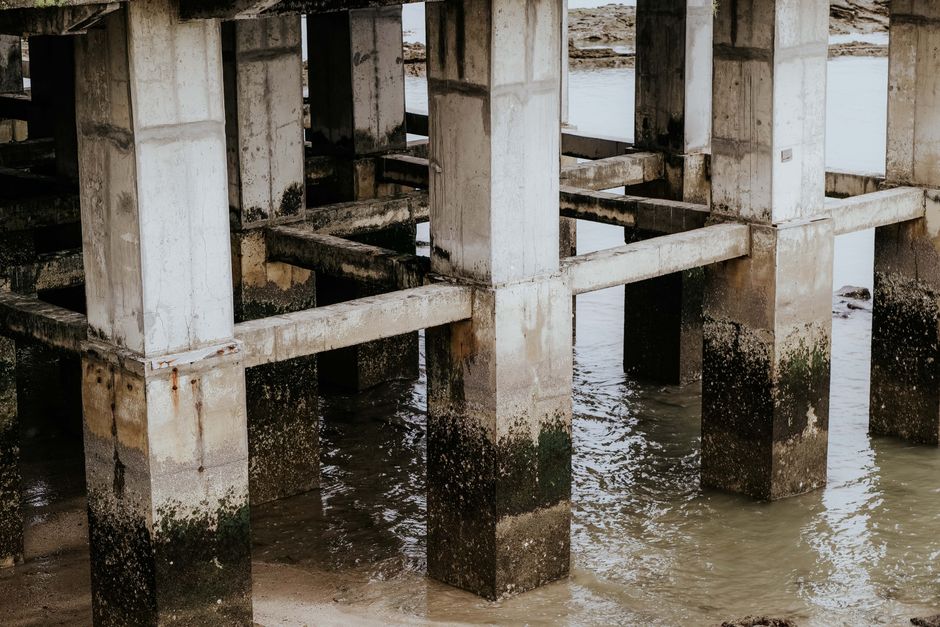
Wondering about the difference between a foundation vs structural inspection is common for homeowners in Topeka, KS. Both types of inspections focus on building integrity, but they target different components. A foundation inspection typically assesses the foundation's condition, looking for cracks, settlement, and water damage.
In contrast, a structural inspection covers a broader scope, evaluating load-bearing walls, beams, and framing for signs of stress or failure. Understanding these differences helps property owners identify which inspection suits their needs, whether they’re buying a home or addressing repair concerns.
Professional companies in Topeka usually recommend the right inspection based on the property’s age, soil conditions, and visible issues. Getting matched with vetted contractors via our ensures access to experts who can provide thorough evaluations tailored to local building codes and environmental factors.
Quick Takeaways on Foundation and Structural Inspections
- Foundation inspections in Topeka, KS focus on soil conditions, foundation cracks, and settlement issues that affect the base of a home.
- Structural inspections evaluate the overall integrity of load-bearing elements like beams, joists, and columns throughout the property.
- Foundation problems often manifest as uneven floors, wall cracks, or doors that stick, signaling the need for specialized assessment.
- Structural inspections identify risks such as wood rot, pest damage, or corrosion that compromise building safety beyond the foundation.
- Homeowners in Topeka should expect detailed reports highlighting specific areas of concern and recommendations from qualified contractors.
Defining Foundation Inspection and Its Role in Topeka, KS Homes
A foundation inspection is a specialized evaluation focused on assessing the condition and integrity of a building’s foundation. In Topeka, KS, this inspection is critical due to the region’s diverse soil conditions that can affect home stability.
Local contractors typically examine for signs such as cracks, settlement, and moisture intrusion that may compromise the foundation’s performance.
Homeowners in Topeka should expect a thorough review that includes visual assessments and measurements to detect any uneven settling or shifting. This process helps identify early warning signs of structural risks, enabling timely intervention before more costly damage occurs.
The inspection often covers both the interior and exterior foundation elements, including walls, footings, and slabs.
Key Components of a Foundation Inspection in Topeka, KS
- Visual examination of foundation walls for cracks and bowing
- Assessment of soil conditions surrounding the home to identify potential erosion or expansion issues
- Evaluation of drainage systems that impact water accumulation near the foundation
- Measurement of floor and wall levels to detect signs of uneven settlement
Professional companies in Topeka usually emphasize the importance of foundation inspections as a preventative measure to maintain home stability. Regular inspections can safeguard against long-term water damage, cracks settlement, and other foundation-related concerns common in the area’s soil profile.
Understanding Structural Inspection and Its Importance for Building Safety
Structural inspection plays a critical role in ensuring building safety by assessing the integrity of key load-bearing components beyond just the foundation.
In Topeka, KS, professional companies typically evaluate elements such as beams, columns, floor joists, and roof framing to identify signs of deterioration, deformation, or damage that could compromise overall stability.
These inspections often involve a comprehensive review of the building's framework to detect issues like wood rot, corrosion, joint failures, or improper modifications. Homeowners in Topeka should expect structural inspections to address potential risks including structural settlement, material fatigue, and water damage effects that extend beyond foundation cracks.
Core Components Evaluated in Structural Inspections
- Load-bearing walls and columns: Critical for supporting vertical loads and maintaining balance.
- Floor and roof framing: Includes joists and trusses that distribute weight and resist environmental stress.
- Connections and fasteners: Bolts, nails, and welds assessed for corrosion or loosening.
- Exterior framing members: Such as studs and headers that contribute to lateral stability.
Local companies in Topeka usually employ specialized tools and expertise to gauge the condition of these components, ensuring home stability is maintained long-term. Structural inspections are essential for identifying hidden defects that may not be apparent during routine maintenance but could lead to significant safety hazards if unaddressed.
Key Differences Between Foundation and Structural Inspections in Scope and Purpose
Foundation vs structural inspection in Topeka, KS, differ primarily in their inspection scope and purpose. A foundation inspection concentrates on evaluating the components of the foundation such as footings, slabs, and piers. This inspection identifies issues like foundation cracks, soil conditions affecting stability, and signs of settlement.
The goal is to assess the home stability starting from its base.
Conversely, a structural inspection encompasses a broader scope beyond just the foundation. It examines the integrity of load-bearing walls, beams, joists, and other critical elements that support the building’s framework.
The purpose is to ensure the overall structural soundness and detect problems such as wood rot, warping, or damage caused by water damage. This inspection is crucial for identifying risks that could compromise the entire building.
Professional companies in Topeka usually emphasize that while both inspections overlap in assessing structural integrity, the foundation inspection targets the base level concerns directly related to soil and support systems. In contrast, the structural inspection evaluates a wider array of elements impacting the building's safety and longevity.
Summary of Key Differences
- Foundation Inspection: Focus on foundation elements like footings, slabs, piers; detects cracks, settlement, and soil-related issues.
- Structural Inspection: Covers load-bearing walls, beams, joists; identifies wood rot, warping, and water damage affecting overall structure.
- Purpose: Foundation inspections assess base stability; structural inspections ensure comprehensive building safety.
- Scope: Foundation inspections are more specialized; structural inspections are broader and include above-ground components.
Foundation Inspection vs Structural Inspection: What's the Difference?
| Inspection Type | Pros | Cons | Best For |
|---|---|---|---|
| Foundation Inspection | Detects cracks, settlement, and water damage affecting the foundation components. Helps identify soil condition impacts and early signs of structural instability. | Limited to foundation elements; may miss issues in load-bearing walls or beams beyond foundation. Typically does not cover wood rot or overall building safety. | Homeowners Topeka with concerns about foundation cracks, settlement, or water intrusion. Ideal for properties with known soil issues. |
| Structural Inspection | Comprehensive assessment of load-bearing walls, beams, and overall building safety. Identifies wood rot, structural damage, and potential hazards beyond foundation. | More extensive and potentially higher cost. May overlook subtle foundation-specific problems unless combined with foundation inspection. | Homeowners Topeka seeking evaluation of entire structural integrity, especially for older homes or after major events like floods or earthquakes. |
| Combined Inspections | Covers both foundation and structural concerns, providing a full picture of home stability. Helps prioritize repairs effectively. | Typically more expensive and time-consuming than individual inspections. Requires coordination between specialized contractors Topeka usually employ. | Properties with visible signs of multiple issues such as cracks, sagging floors, and moisture problems. Best for comprehensive safety assurance. |
| Visual-Only Inspection | Cost-effective initial check for obvious defects like major cracks, water stains, and wood decay. Useful for quick assessments. | May miss hidden or developing problems under surfaces or within structural components. Not a substitute for detailed inspections. | Homeowners Topeka performing routine maintenance checks or preparing for detailed inspections. |
Frequently Asked Questions
What specific issues does a foundation inspection focus on?
A foundation inspection primarily targets problems related to foundation cracks, settlement, and soil conditions affecting the base of a structure. This inspection evaluates the home stability by checking for signs of water damage and shifting that directly impact the foundation's integrity.
How does a structural inspection differ in assessing building safety?
Structural inspections assess the overall integrity of load-bearing walls, beams, and framing beyond just the foundation. They identify issues like wood rot, cracks, and other damage that threaten building safety. This broader scope helps ensure the entire structure remains sound and secure.
When should homeowners in Topeka, KS consider both inspections?
Homeowners in Topeka usually seek both inspections when noticing visible foundation cracks, uneven floors, or signs of water damage. Combining foundation inspections with structural inspections offers a comprehensive understanding of potential risks from the foundation up through the framing.
Can a foundation inspection detect all structural problems?
No, foundation inspections focus mainly on the base of the home and cannot detect all issues with walls, beams, or other structural components. For thorough evaluation, professional companies recommend pairing foundation inspections with structural inspections to uncover hidden defects affecting overall stability.
How do soil conditions influence the need for these inspections?
Soil conditions in Topeka, KS, such as expansive clay or poor drainage, can accelerate settlement and foundation cracks. Both foundation and structural inspections are crucial to identify early signs of damage caused by soil movement, helping homeowners address issues before they worsen.
Homeowners in Topeka, KS should recognize that both foundation inspections and structural inspections play vital roles in maintaining home stability and preventing issues like foundation cracks, water damage, and wood rot.
Understanding the distinct focus of each inspection helps prioritize repairs and safeguards the load-bearing walls, beams, and overall building integrity affected by local soil conditions.
Get matched with vetted Foundation Repair in Topeka, KS via our to connect with professional companies experienced in addressing both foundation and structural concerns.